
Parenting Strategies: Building Strong, Confident, and Emotionally Healthy Children
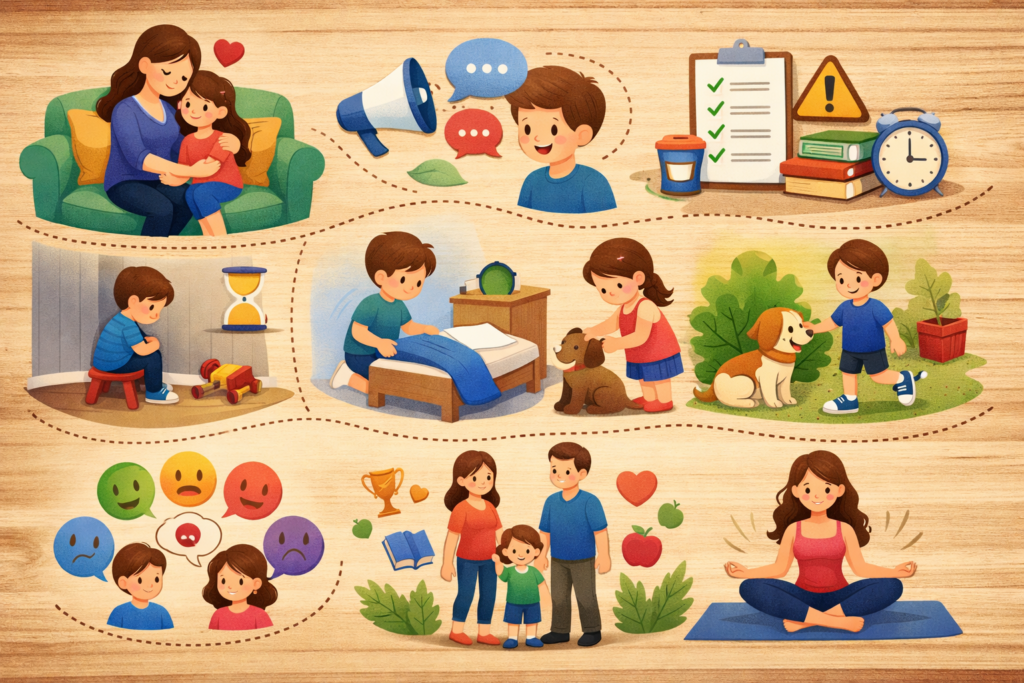
Parenting Strategies - Parenting is one of the most meaningful yet challenging roles in life. Every child is unique, and effective parenting requires patience, understanding, and consistent guidance. Positive parenting strategies help
Introduction
Parenting is one of the most meaningful yet challenging roles in life. Every child is unique, and effective parenting requires patience, understanding, and consistent guidance. Positive parenting strategies help children develop emotional strength, self-confidence, discipline, and healthy relationships. Below are key parenting strategies explained topic-wise.
Building a Strong Emotional Bond
A strong parent-child bond forms the foundation of healthy development. Spending quality time, listening without judgment, and showing affection help children feel safe and valued. Simple actions like talking daily, sharing meals, or engaging in activities together strengthen emotional connection. When children feel emotionally secure, they are more open, confident, and resilient.
Effective Communication
Open and honest communication is essential for understanding a child’s thoughts and feelings. Encourage children to express themselves freely and listen attentively without interrupting or criticizing. Use age-appropriate language and explain things calmly. When parents communicate respectfully, children learn how to communicate their own needs in a healthy way.
Setting Clear Boundaries and Rules
Children need structure to feel secure. Clear rules and consistent boundaries help them understand expectations and consequences. Rules should be reasonable, age-appropriate, and explained clearly. Consistency is key—when rules are applied fairly, children learn responsibility, self-control, and respect for limits.
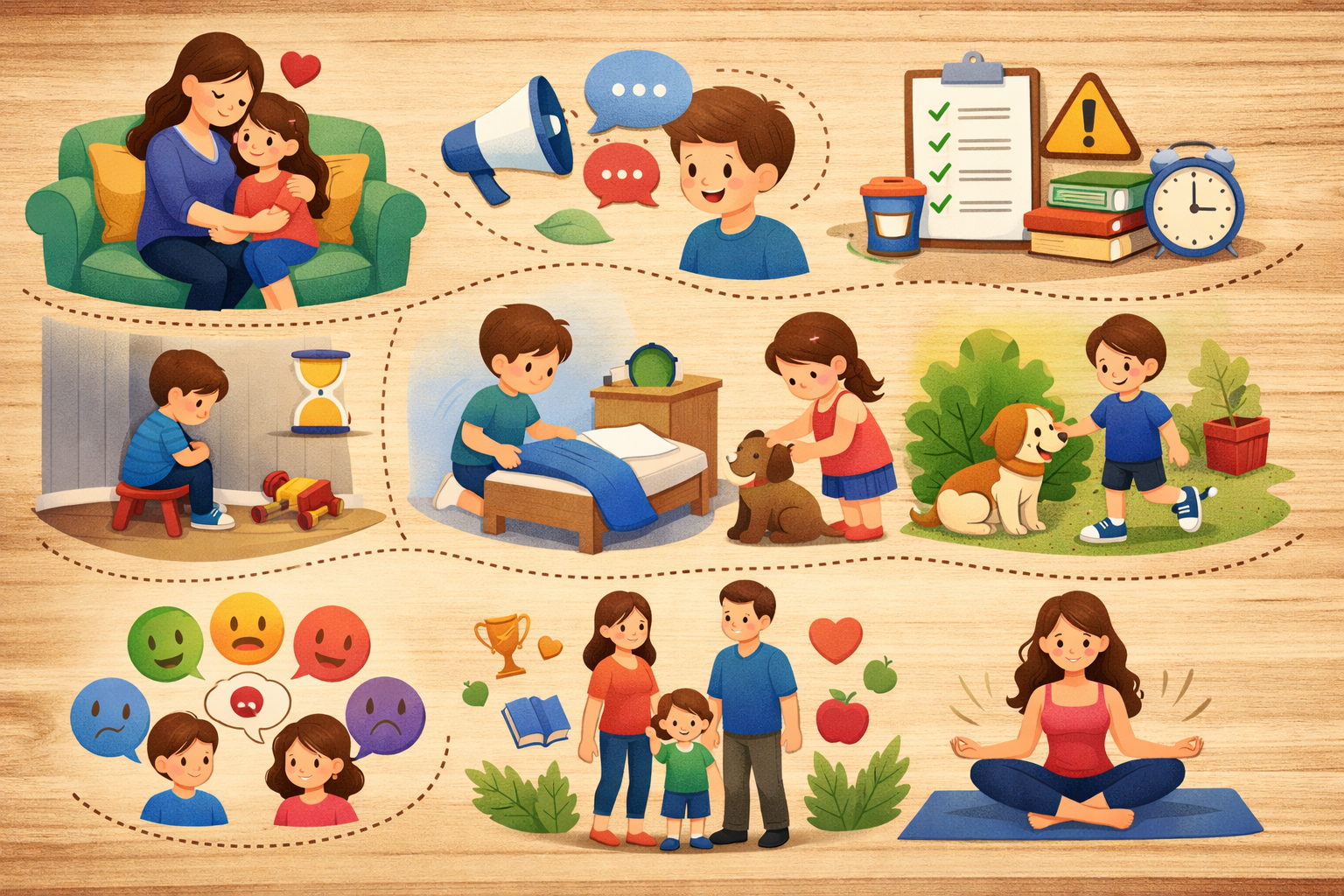
Positive Discipline Techniques
Discipline should guide, not punish. Positive discipline focuses on teaching rather than scolding. Instead of harsh punishment, use techniques like time-outs, natural consequences, and problem-solving discussions. Praise good behavior and effort to motivate children. This approach helps children learn from mistakes while maintaining their self-esteem.
Encouraging Independence and Responsibility
Allowing children to make small decisions builds confidence and independence. Assign age-appropriate responsibilities such as organizing schoolwork, helping with household tasks, or managing their time. Encourage them to try new things and solve problems on their own, while offering guidance when needed. This helps children develop decision-making and life skills.
Supporting Emotional Intelligence
Teaching children to recognize and manage emotions is crucial. Help them name their feelings and understand that emotions are normal. Guide them in handling anger, frustration, or disappointment in healthy ways. Parents who model emotional regulation teach children empathy, patience, and emotional balance.